


%20(13%20x%206%20in)%20(13%20x%204%20in).png)
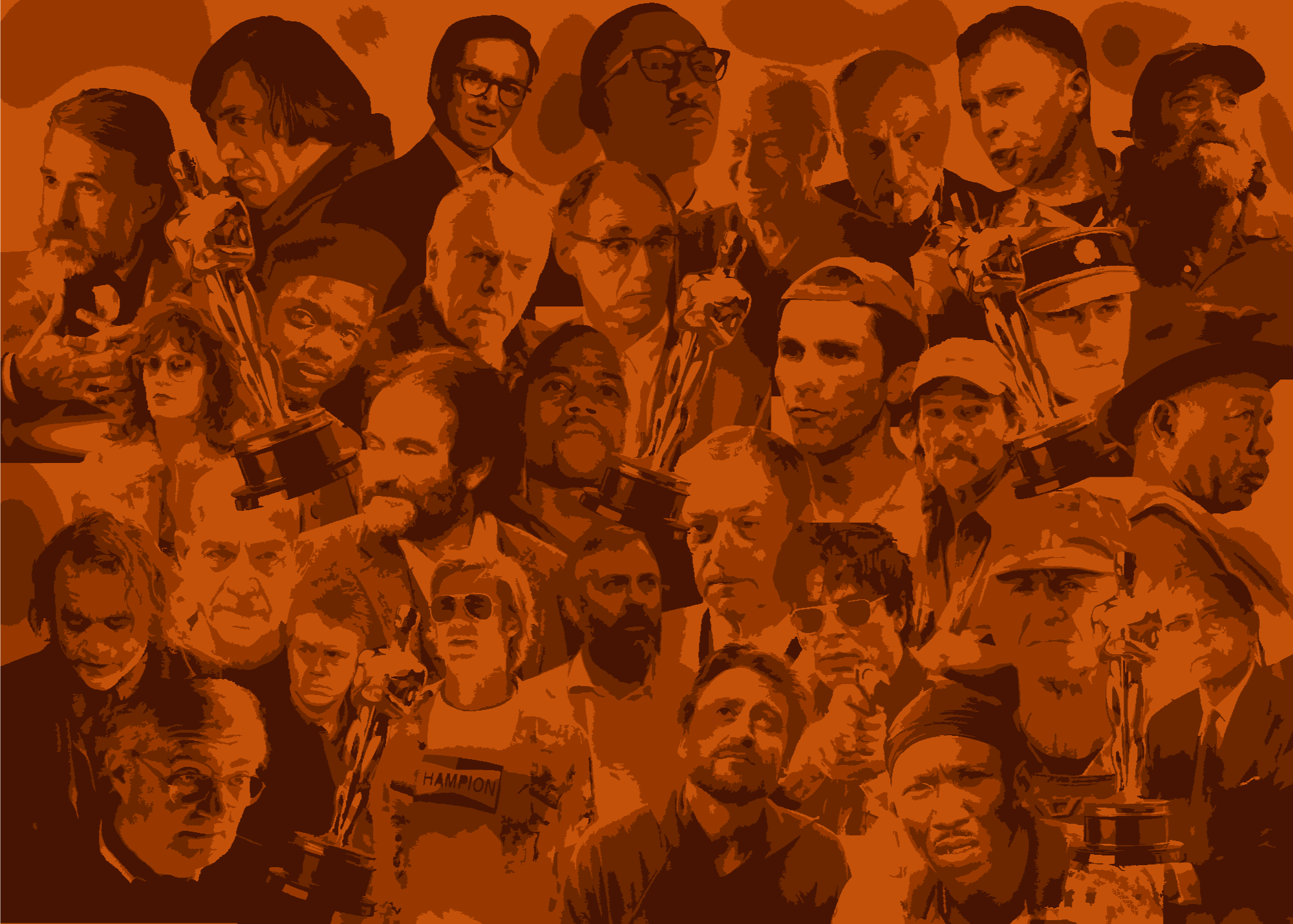
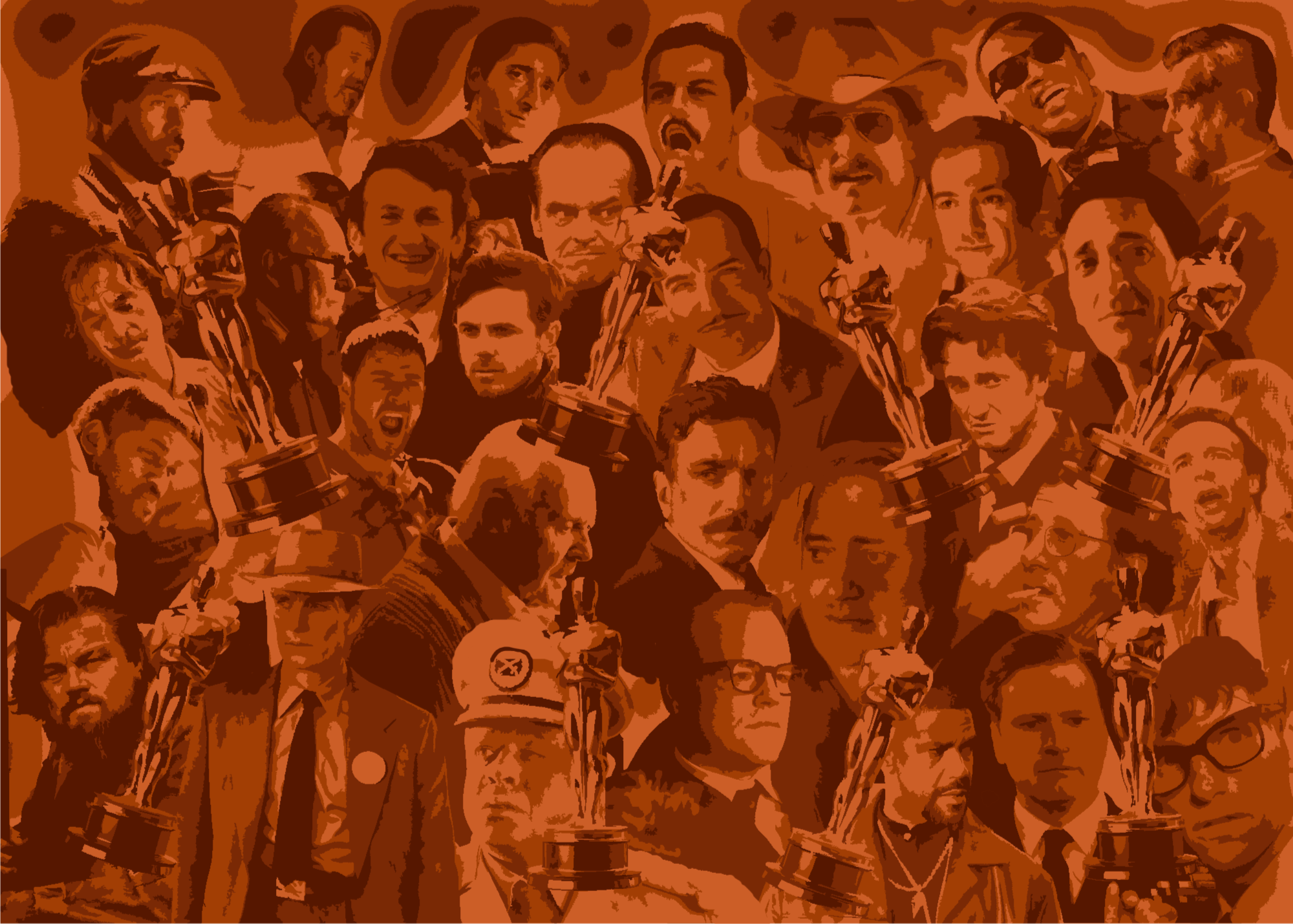
Every Oscar Best Supporting Actor Winner of the Last 30 Years, Ranked
Looking back at three decades of Academy Awards greatness and controversy.
RankdownAt the 9th Academy Awards ceremony in 1937, Walter Brennan won the first award for Best Supporting Actor for his performance in Come and Get It, the first of three such awards he would win. Since then, some of the most revered actors in Hollywood history have been given this illustrious award, but there’s been plenty of controversy along the way. Great talents have been awarded for divisive performances, campaigns have seen shockers upset favorites, and the only thing that can be agreed on is that we never agree.
For the last 30 years, some of the best performances in history have steamrolled award season and captured Oscar gold, but plenty of unpopular choices have gotten read out on the big night. From boxing dramas to neo-Western thrillers, honorable policemen to cop killers, the award has known no boundaries. As art is subjective, it’s always fun to toss out a ranking, so here are the last 30 years of Best Actor winners, ranked.
30. Tim Robbins - Mystic River as Dave Boyle (2003)
It’s difficult to pin down precisely why Tim Robbins’ performance in Mystic River is so bad. The whole cast is a histrionic mess that speaks unlike any humans ever have, so one could reasonably blame writer-director Clint Eastwood’s melodramatic style. Still, Robbins feels like a cartoon character, all contorted expressions and overly measured speech, a rudimentary understanding of childhood trauma and the ways it bleeds into adulthood. Every cue is obvious, every choice telegraphed, and it all feels like an acting student on an audition and not an Oscar-worthy actor bringing a troubled character to vivid life.
Should have won: Ken Watanabe - The Last Samurai as Lord Moritsugu Katsumoto
29. James Coburn - Affliction as Glen Whitehouse (1998)
Coburn’s filmography has a few iconic hits, like The Magnificent Seven and The Great Escape, but he was never a big-name leading man, so his career Oscar feels unearned. In Affliction, he appears sporadically as Nick Nolte’s abusive, alcoholic father, doing little more than being a paint-by-numbers mean drunk that anyone could have played. It’s not a horrible performance, but it’s a very late-90s imagining of alcoholism that, while not necessarily inaccurate, feels too hammy to capture even what that particular type of abuse inflicts on the people forced to endure it.
Should have won: Robert Duvall - A Civil Action as Jerome Facher
28. George Clooney - Syriana as Bob Barnes (2005)
Clooney received a career Oscar a decade into his cultural relevance, which made the 2005 awards season - where he drew nominations for his performance in Syriana and his own historical journalism drama Good Night, and Good Luck - baffling. Instead of awarding him for the latter, the Academy gave him the gold for Syriana. It’s not a terrible performance, but he’s just Clooney doing Clooney, and not in a way that offers something new or intriguing in a movie desperate to be both.
Should have won: Paul Giamatti - Cinderella Man as Joe Gould
27. Alan Arkin - Little Miss Sunshine as Edwin Hoover
Another career Oscar, though this one felt more justified than some of the others. Arkin scored nominations in the ‘60s and proved himself a great actor across multiple genres, but he truly shone with foul-mouthed brutality. One could argue he’s not the best supporting actor in the movie, but it’s a great comedic performance. Sadly, there are just too many good, complex performances in this category over the last 30 years to justify placing it any higher, even if one-trick ponies occasionally deserve more credit than they’re due.
Should have won: Djimon Hounsou - Blood Diamond as Solomon Vandy
26. Christopher Plummer - Beginners as Hal Fields (2011)
Another career win, this time for one of the industry’s longest-tenured and acclaimed actors. Plummer had every right to ask Mr. Oscar, “Where have you been all my life?” upon receiving his golden statuette, but we also had every right to ask why he’d just gotten it (aside from it being a horrible year). He’s perfectly fine in Beginners as an elderly gay man finally embracing his long-suppressed sexuality, but that’s it. There’s sensitivity in the film’s more demanding scenes that keeps him from the bottom of the list, but this is as far as this forgettable performance can climb.
Should have won: Christopher Plummer
25. Brad Pitt - Once Upon a Time… In Hollywood as Cliff Booth (2019)
Wow, five career wins in a row. It may seem there’s a bias at play, but it’s simply that the roles actors win these Oscars for are usually weak. Pitt has plenty of charisma to spare, hence why he can pull off even the most banal roles, but he isn’t a talented enough actor to make each character feel truly distinguished. Hence, his role as Cliff Booth is him pouring every ounce of magnetism he has to get the Oscar, and in that sense, it works marvelously. However, it doesn’t work as a truly winning performance, just an excuse to give Pitt an Oscar for a career that didn’t earn one.
Should have won: Brad Pitt
24. Christian Bale - The Fighter as Dicky Eklund (2010)
Make it six, ladies and gentlemen. By 2010, Christian Bale had established himself as the industry’s most devoted actor, limitless in his devotion to inhabiting a character. The results? Admirably ambitious, but rarely awe-inspiring like the Internet would have you believe. He nailed American Psycho, and his performance in Empire of the Sun is one of the best by a young actor, but was he consistently great to the point of earning a career Oscar? As Dicky Eklund, he frequently overreaches and feels like a caricature, which proves distracting from a compelling central narrative. He mimics well, but blurs the line between what works as impersonation and what makes an effective performance. One could argue this helps relay his brother Mickey’s frustrations with his attention-grabbing behavior, but you’re left wanting him off the screen so we can return to the meatier parts of the movie.
Should have won: John Hawkes - Winter’s Bone as Teardrop
23. Morgan Freeman - Million Dollar Baby as Eddie “Scrap-Iron” Dupris (2004)
Holy crap, that’s SEVEN in a row: if we were going back far enough, Joe DiMaggio would be shaking in his boots. Morgan Freeman had given some fantastic performances, most notably in Glory and Lean on Me, neither of which earned him a nomination. The feeling of wanting to reward his collective work was justified, and he’s good in Clint Eastwood’s dreary boxing drama. Yet, there’s a spark missing, even as a more contemplative character. It’s not quite phoned-in, but it doesn’t underpin his moments of wisdom and heroism with enough substance to make the role come alive when the movie calls on it. A solid outing for Freeman, but not outstanding.
Should have won: Clive Owen - Closer as Larry Gray
22. Michael Caine - The Cider House Rules as Dr. Wilbur Larch (1999)
Eight?! Man, these career wins have not aged well. In fairness, there is no bad Michel Caine performance. The lack of retroactive fanfare for The Cider House Rules has soured people on his second win, but he’s very good with what he’s given. Larch is not a well-fleshed-out character, so Caine doesn’t get an opportunity to explore the implications of being a pro-choice doctor in a small 1920s town, but he manages to temper a very syrupy film with some earnest parental protectiveness, a tinge of selfishness, and ultimately turn Dr. Larch into a more well-rounded character than the screenplay allows on its own.
Should have won: Jude Law - The Talented Mr. Ripley as Dickie Greenleaf
21. Jared Leto - Dallas Buyers Club as Rayon (2013)
Before transgender rights and discussions around gender identity were at the forefront of sociopolitical discussion, Jared Leto’s performance felt like a sincere recognition of what it meant to portray a transgender character on screen. It’s a good performance, so it isn’t that it doesn’t feel that way at all, but for as many scenes where Rayon breaks your heart, there are as many where she doesn’t feel natural. Leto is an affected person, so it makes sense any performance would feel affected, but instead of it being the affectations of someone still working out their truest identity or somebody with a naturally flamboyant disposition, Rayon too often doesn’t feel like a genuine person, and Leto’s, shall we say, zaniness, is likely responsible.
Should have won: Jared Leto
20. Cuba Gooding, Jr. - Jerry Maguire as Rod Tidwell (1996)
Even before the numerous allegations of sexual misconduct emerged, Cuba Gooding Jr.’s Oscar win was a source of mockery. Partially, this is due to how his career panned out: instead of becoming a bona fide leading man, he gave us clunkers like Snow Dogs and Radio. Is the retroactive derision deserved? The performance oscillates between energized comedic charm and embodiment too wholehearted to endure. Tidwell’s self-absorbed mania is meant to frustrate Jerry, and thus the audience, but underlying it is supposed to be a charm that draws us to Rod even as he grates on our nerves. Gooding hits the mark as often as he misses it, so we ultimately have a performance that’s as gloriously inspired as often as it’s frustratingly uneven.
Should have won: William H. Macy - Fargo as Jerry Lundegaard
19. Heath Ledger - The Dark Knight as The Joker (2008)
Hendrix, Joplin, Tupac, Biggie, Buckley, and on and on. People die young; it’s tragic, and we assign greatness to their work that supersedes what they accomplished and shower them with posthumous adulation that exceeds what they earned when they were alive, even if they were successful. They become infallible, their status and greatness artificially inflated, and oftentimes, in an effort to properly relay our appreciation for their work and find closure (albeit for people we didn’t know), we overextend ourselves in praising their work. Heath Ledger was one of the industry’s brightest stars, fully established yet still on the rise, and his death shocked and despaired the world. So, we did what we always do: heap praise onto something immediate in their life to better reconcile their death and honor their career.
Hence, Ledger received overwhelming praise for his interpretation of The Joker in The Dark Knight, Christopher Nolan’s billion-dollar superhero phenomenon that revolutionized the genre and drew critical raves the world over. Was it deserved? No. He died, we overcompensated, and Ledger won a posthumous Oscar for a solid but unspectacular performance. It’s too exaggerated to feel grounded, too serious to be delightfully hammy, and against an overly-polished, pseudo-realistic Gotham, largely out of place. He has some true moments of genius, notably his prodding of Detective Stephens and his meeting with the mobsters, but when he veers too far into theatricality, like his goading Harvey into a villainous murder spree or the infamous “Why so serious?” it’s a tough watch.
Should have won: Robert Downey, Jr. - Tropic Thunder as Kurt Lazarus
18. Chris Cooper - Adaptation. as John Laroche (2002)
Adaptation is a Spike Jonze flick, so your mileage may vary regarding how you perceive both its style and performances. Cooper is a very good actor, but he’s never going to elevate the material he’s given. He’ll perform his role extremely well, and that’s it. As a supporting actor, that’s about as much as you can ask, so his handling of eccentric flower poacher John Laroche is a fine turn from a capable actor. We can admire the restraint he shows during his character’s more intense moments, allowing him to feel like a grounded character and not a distracting ham, but it’s just not outstanding in a way that can rank it any higher.
Should have won: Christopher Walken - Catch Me If You Can as Frank Abagnale, Sr.
17. Mahershala Ali - Green Book as Don Shirley (2018)
Mahershala Ali’s second Oscar win is less impressive than his first, but that, and the film’s shortcomings, don’t detract from the quality of his turn as classical pianist Don Shirley as he’s driven throughout the Deep South by his white chauffeur. It’s unfortunate that Peter Farrelly’s Best Picture winner pulls so many punches, because Ali is up to the task of approaching intense subject matter with graceful power, but capitalizes on what opportunities he gets.
Should have won: Mahershala Ali
16. Mark Rylance - Bridge of Spies as Rudolf Abel (2015)
Rylance wasn’t an underdog heading into Oscar night, but many predicted - and hoped - that Sylvester Stallone would finally get a statuette for the iconic Rocky Balboa. It was a triumph of quality over sentiment that Rylance won. nails the film’s fine-tuned humor with his iconic, “Would it help?,” but he’s arguably more impressive in matching Tom Hanks, making Rudolf Abel a charismatic character who facilitates our investment in a narrative where it’d be otherwise easy to point fingers and take sides.
Should have won: Mark Rylance
15. Benicio del Toro - Traffic as Javier Rodriguez (2000)
Initially, one may watch Steven Soderbergh’s crime drama and wonder what exactly Benicio del Toro is doing that voters found Oscar worthy in 2000. Yet, it’s that subtlety that creates such a brilliant performance, truly one of the all-time monuments to how to craft a compelling character from the most naturalistic approach. Javier is a noble law enforcement officer, uncomplicated and unflinching, seeking only to make his world a safer place for future generations. Del Toro manages to find the core of Rodriguez and ground it, always feeling like a pure and natural presence. It’d have been easy to revel in his morality and chew the scenery, but del Toro showcases a profound respect for the story and a deep understanding of his character and the world he inhabits.
Should have won: Benicio del Toro
14. Jim Broadbent - Iris as John Bayley (2001)
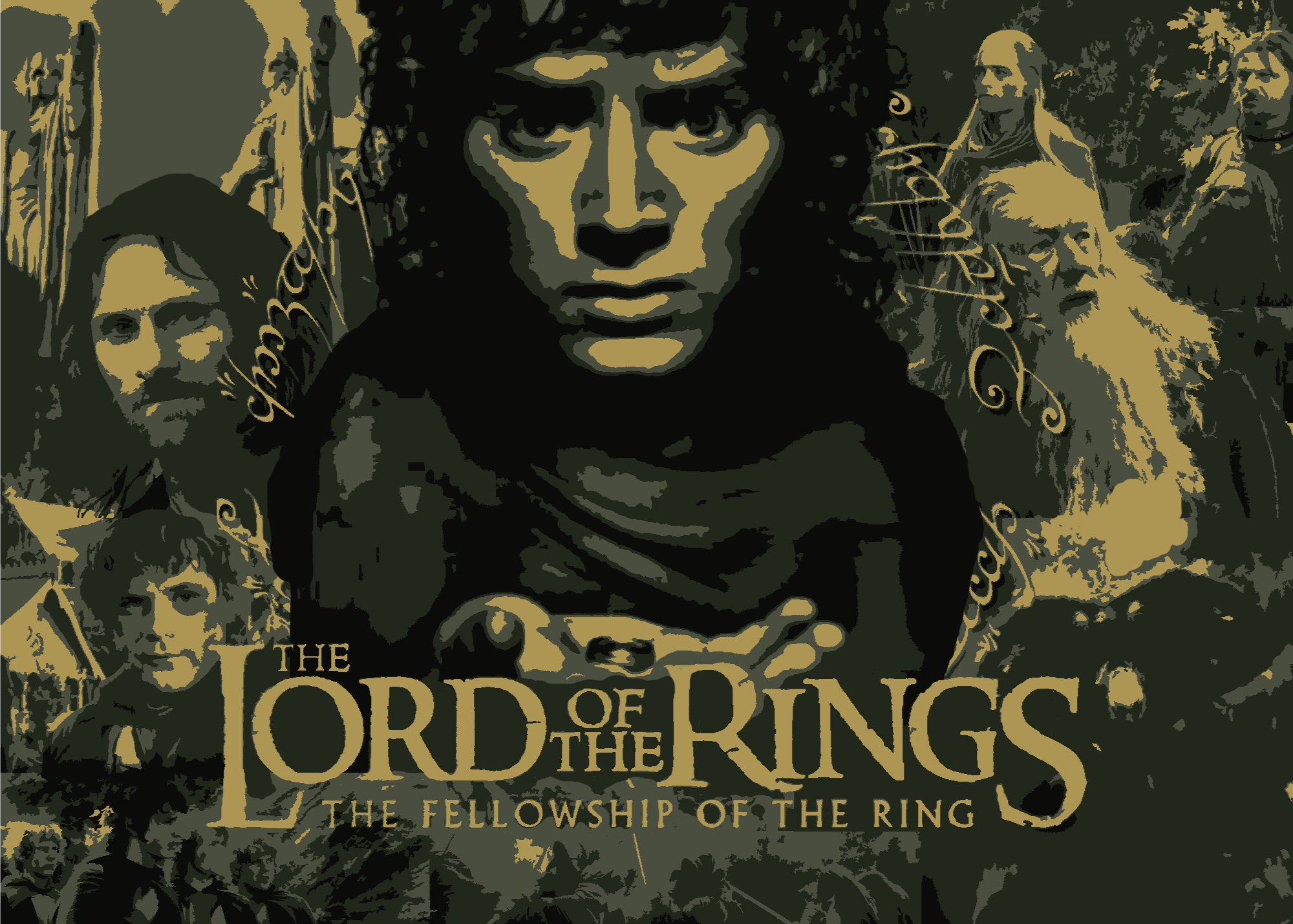
Twenty-five years on, people still bemoan Jim Broadbent beating out Ian McKellen for The Lord of the Rings: The Fellowship of the Ring. McKellen should have won, but it’s a closer match than you’d think, and the sentiment is largely down to the films. As the suffering husband of Alzheimer’s-stricken novelist Iris Murdoch, Broadbent is the driving force of the movie, and it lives or dies largely on his account. Bayley’s love for his wife and devotion to her care is undeniable, as is the struggle he fights through as she deteriorates and his role as caregiver becomes increasingly more taxing. He shines brightest when the film asks more of him than it has any right to and tries, at the 11th hour, to layer the story with unresolved resentments from the pair’s marriage. Broadbent’s talent almost earns our investment in that narrative thread, and not many actors could have managed it.
Should have won: Ian McKellen - The Lord of the Rings: The Fellowship of the Ring as Gandalf
13. Robert Downey Jr. - Oppenheimer as Lewis Strauss (2023)
As the MCU’s vice grip on global cinema came to a close, we knew it’d be a matter of time before Robert Downey, Jr. would get an Oscar. Thus, when Christopher Nolan, largely viewed as overdue himself, brought him on board for one half of what would become #Barbenheimer, his victory was a foregone conclusion. Yet, unlike many other career wins, Downey Jr. puts in the overtime to earn his, even if it’s arguable he’s not even the best supporting actor in the movie. His portrayal of Lewis Strauss is wrought with a smug paranoia that anchors the final act and also humanizes Oppenheimer himself as you watch him get so expertly manipulated by a fragile, vindictive political climber.
Should have won: Robert Downey Jr.
12. Troy Kotsur - CODA as Frank Rossi (2021)
Sometimes, the best performances are the ones you can sum up easily. It’s not complicated, just as CODA isn’t complicated. Kotsur’s funny, heartfelt, a good but flawed father, and an unaffected yet deeply sensitive man. It gets established in so many delightful and moving moments, but it all comes to a head as he watches his daughter sing her heart out before leaving for a new future. It’s one of the simplest yet most perfectly executed roles of its kind, and Kotsur left an indelible impression.
Should have won: Troy Kotsur
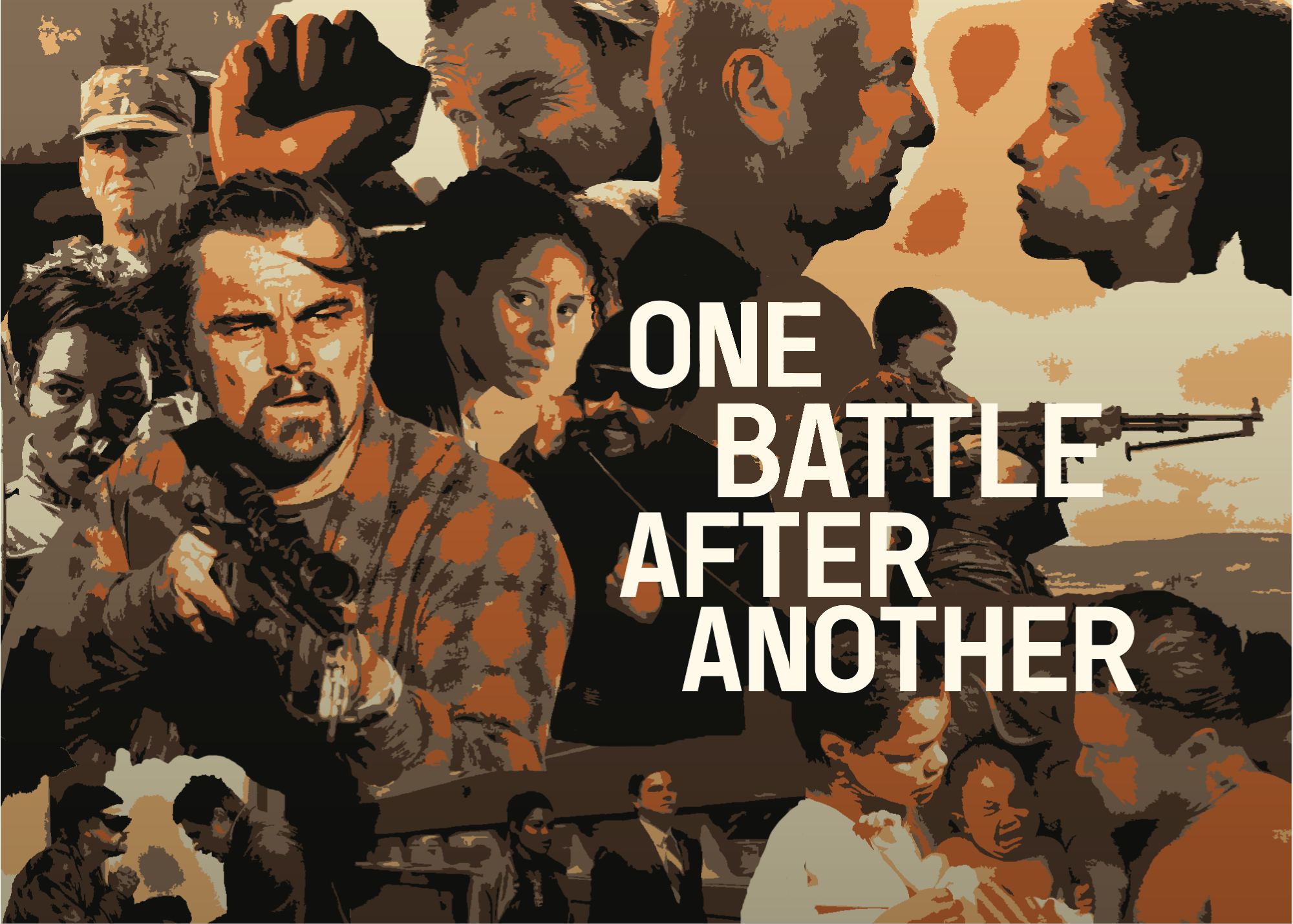
11. Sean Penn - One Battle After Another as Col. Steven J. Lockjaw (2025)
Considering that the three-timers club is full of some controversial selections, one can’t be too shocked that Sean Penn worked his way in. The first two wins were abysmal and underwhelming, respectively, but the third was a knockout. As a corrupt military officer tracking his biracial daughter to cover-up his interracial dalliance and earn entry into a white supremacist group, he’s everything Paul Thomas Anderson could have wanted. He nails the comedy with bizarre, infantile physicality, is menacing without seeming too imposing, and is an unforgettable presence in a very good, but ultimately forgettable, film.
Should have won: Sean Penn
10. Ke Huy Quan - Everything Everywhere All At Once as Waymond Wang (2022)
Ke Huy Quan came out of nowhere in 2022 to make everyone feel really old, but the trade-off was one of the best feel-good stories Hollywood has ever produced. As the unappreciated, pure-hearted husband to a tense Michelle Yeoh, Ke Huy Quan is one of the most lovable, rootable characters in a long time. Quan’s relatability is the performance’s trademark, which is invaluable considering Waymond anchors the film’s most sympathetic moments. His speech about self-blame is one of the most wonderful moments from an actor in recent memory, and even if you would’ve chosen differently, no one can debate the beauty of his performance.
Should have won: Ke Huy Quan
9. Christoph Waltz - Django Unchained as Dr. King Schultz (2012)
Waltz’ career has suffered from diminishing returns, and he’s leaned on a very specific style that calls his versatility into question. If he was fortunate enough to find a writer-director who could create the perfect roles for him, then by God did he take full advantage. He plays a far more sympathetic character in Django than Basterds, and it’s striking how seamlessly he adopts his style to a more heroic role. He still has impeccable comic timing to capture Quentin Tarantino’s unique humor, but there’s a clever, individualistic humanity to Dr. Schultz that only Waltz could bring to life, and his final bow is one of the greatest character exits of the 21st century.
Should have won: Christoph Waltz
8. JK Simmons - Whiplash as Terence Fletcher (2014)
JK Simmons was one of the most heavily utilized but undervalued actors in the industry before Whiplash. He’d shone as the delightfully dickish J. Jonah Jameson in the original Spider-Man trilogy, the ruthless Vernon Schillinger on HBO’s Oz, measured psychiatrist Dr. Emil Skoda on Law & Order, and countless other roles in some of the most popular films and television shows. Finally, as the merciless music teacher at a prestigious New York school, he had his moment. Many actors could have done the role, but no one could have done it nearly as well as JK Simmons. The obsession with greatness by proxy is an intriguing thread a lesser actor would have failed to weave seamlessly, or at all. Simmons, the character actor of his generation, puts star Miles Teller and writer-director Damien Chazelle on his back.
Should have won: JK Simmons
7. Daniel Kaluuya - Judas and the Black Messiah as Fred Hampton (2020)
Kaluuya’s performance as Fred Hampton is quietly intense, and for much of the film, you’re left impressed by that subtle magnetism but perplexed as to why Hampton was such a revered figure among the Black Panthers, and how Kaluuya was going to make that clear. Then, he delivers a speech to his party members, beckoning them to fight for liberation and declare themselves revolutionaries. Kaluuya brings the house down, and displays a level of versatility that makes Hampton both a measured intellectual and youthful reactionary, as effective in a quiet discussion as a powder keg. It’s one of the more subtly demanding roles to win the category in recent memory, and Kaluuya more than earned his acclaim.
Should have won: Daniel Kaluuya
6. Kieran Culkin - A Real Pain as Benjamin “Benji” Kaplan (2024)
Many have posited that Benji is so similar to Roman Roy, Culkin’s character in HBO’s Succession, that his turn in Jesse Eisenberg’s directorial debut is simply an unchallenging rehash. You can certainly see similarities, but his work in A Real Pain shows that Culkin can make numerous variations between roles, so each feels unique. Benji is everything you understand drives Eisenberg’s David crazy with both undying affection and ceaseless frustration. His charisma is unorthodox and domineering; his lack of accountability reveals both unconventional wisdom and corrosive selfishness. Culkin blends it all beautifully to portray a deep, relentless pain that truly feels real.
Should have won: Kieran Culkin
5. Christoph Waltz - Inglourious Basterds as SS Colonel Hans Landa (2009)
Waltz may be a supporting role in Inglourious Basterds, but the film’s status, for many, as Quentin Tarantino’s masterpiece is down to Waltz alone. His entire performance as the opportunistic “Jew Hunter” Hans Landa is point-perfect: look to his interrogation and murder of Diane Kruger’s Brigitte von Hammersmark, the infamous “That’s a bingo!” negotiation, and the restaurant scene. Yet, he arguably peaks at the very beginning, setting an unforgettable tone when he goads a French farmer into revealing that he’s sheltering Jews. It’s one of the most brilliant displays of acting you’ll ever see, and Waltz’s trouncing of awards season was well-earned.
Should have won: Christoph Waltz
4. Sam Rockwell - Three Billboards Outside Ebbing, Missouri as Jason Dixon (2017)
Sam Rockwell was another actor who’d long been underappreciated. He’d been brilliant as comic relief, delusional “spy,” action villain, stranded astronaut, sex addict- you name it, he did it better than anyone in Hollywood. It took 20 years of greatness for him to score a nomination, but it was arguably for his best role: Officer Jason Dixon in Martin McDonagh’s gripping, darkly comedic crime drama. He’s equally funny and emotionally compelling as a bumbling, racist cop with more wits than meets the eye but little traditional ethics to match. It’s a role that seems showy, almost designed for an Oscar, but Rockwell tempers it with the skill of a brilliant actor: a perfect support when called upon, a fantastic anchor when asked to take the reins, and it all amounts to one of the most worthy performances in the category’s history.
Should have won: Sam Rockwell
3. Robin Williams - Good Will Hunting as Dr. Sean Maguire (1997)
Robin Williams was beloved for his iconic comedic performances, but he shone brightest in dramas. His warmth and sensitivity made him especially believable as a therapist tasked with helping a troubled, brilliant young man. Will Hunting’s intellect creates a unique dynamic, where only a particular empathy can unearth his deep-seated trauma and build the relationship to help him. It’s a great screenplay, but Williams legitimizes the bond with a soft-spoken wit and serene wisdom that makes Sean a likeable character and perfect guide for Will. It’s an authentic performance that provides the film’s backbone, and Williams handled his job more adeptly than any actor of his day could have; after a stellar career, he more than earned his long-awaited statuette.
Should have won: Robin Williams
2. Mahershala Ali - Moonlight as Juan (2016)
During Law & Order: Special Victims Unit’s heyday, it scored some high-profile guest stars: Robin Williams, Ellen Burstyn, Martin Short, Carol Burnett, etc. Mahershala Ali, years before his breakthrough role in Moonlight, bone-chilling as a rapist finally brought to justice, bested them all. It’s a shame his talent went unknown for so long, but when he finally got his moment, he didn’t waste it. Juan is one of the more complex characters on the list, a man profiting off his community’s struggles while teaching young Chiron how to become a man. Ali, quietly and with immense dignity, is magnetic. It’s a testament to restraint and shows what an exquisite actor can do when they let less be so much more: facilitate an entire story.
Should have won: Mahershala Ali
1. Javier Bardem - No Country for Old Men as Anton Chigurh (2007)
Oh, man, that haircut. Bardem deserved the Oscar for making us terrified to snicker at that abominable hairdo, lest Chigurh come through the screen and cap us between the eyes with that horrifying captive-bolt pistol. No Country is a dialogue-lite film, and Bardem is up to the task with some fantastic physical acting, whether he’s urgently limping away from a soon-to-explode car or strangling a police officer to death. But his greatest moments are when Chigurh unveils his unique brand of “ethical” psychopathy, relaying his philosophy to a young widow or subtly threatening a gas station attendant. He’s unquestionably chilling, but Bardem’s expertise at portraying his intellect and unflappability makes Chigurh into an unforgettable, one-of-a-kind villain in arguably the best movie of the 21st century.
Should have won: Javier Bardem




.jpeg)








.png)


.png)