%20(13%20x%206%20in)%20(13%20x%204%20in).png)
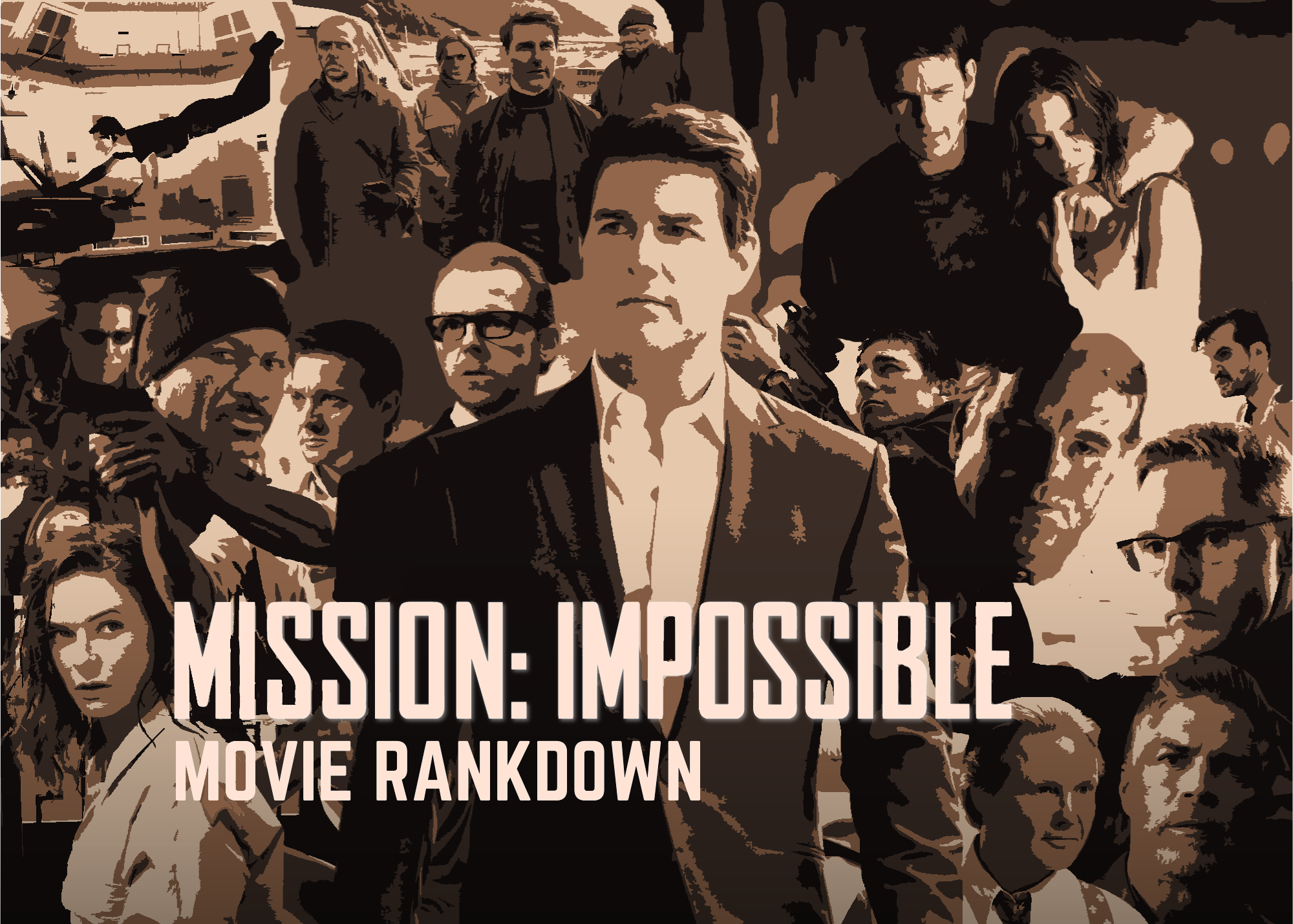
"Mission: Impossible" Movie Rankdown
Ranking the best action franchise in Hollywood history.
RankdownPatience is a virtue; just ask Paramount. By 1996, they’d owned the rights to the 1966 Mission: Impossible TV show but were stuck in a rut, desperate to turn it into a blockbuster movie but incapable of making that dream a reality. Then, a wild Tom Cruise appeared, looking for the inaugural flick of his production company, Cruise/Wagner Productions, founded four years before with his agent, Paula Wagner. Cruise, a fan of the show in his youth, convinced Paramount to front them $70 million for the budget, and thus, a franchise was born.
Nearly 30 years later, we’ve only managed 8 movies, which the MCU would scoff at, but sounds about right for James Cameron. But, along with patience and being virtuous, perfection has an adage of its own: it takes time.
Of course, nothing is truly perfect, but for awe-inspiring, jaw-dropping, action-packed blockbuster filmmaking, nothing beats Mission: Impossible, and it’s high time it gets a rankdown of its own. So, your mission, if you choose to accept it, is to brace yourself for some hot takes and read the everloving hell out of this ranking.
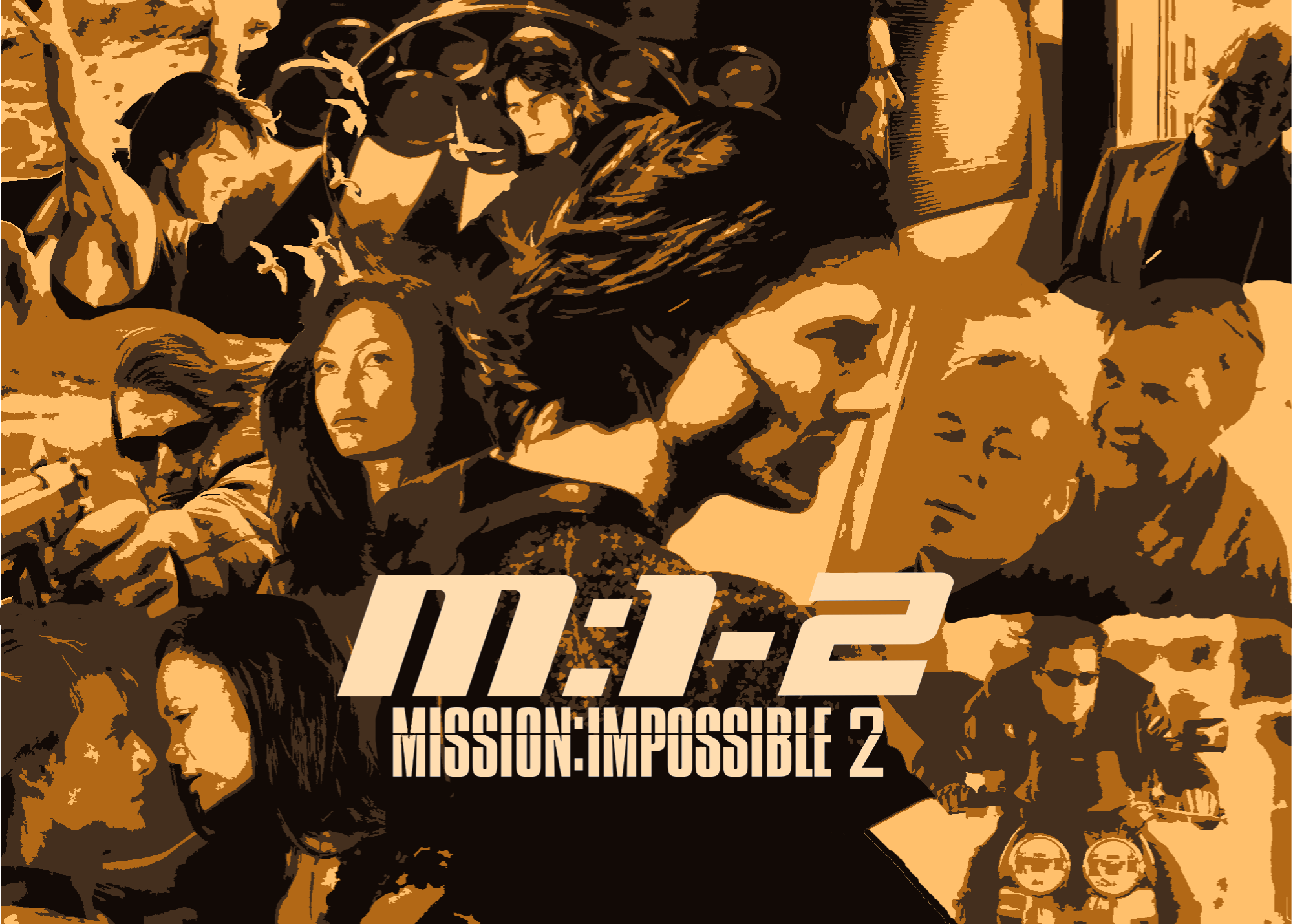
8. Mission: Impossible II (2000)
Firstly, 2000 was 25 years ago, which is unacceptable and possibly illegal. Secondly, this movie is absolute garbage. You hear the booming disdain from its ardent detractors, and the echo of their loathing resonates in the distance. Yet, you want to see for yourself. Maybe it's just some pretentious nitwits pounding away at their keyboards in unfounded superiority, refusing to embrace the campy fever dreams that were mid-'90s-early '00s action movies.
No. It’s not. It’s just bad.
The worst part? Hmm, the lame virus at the core of the narrative. Yes, that was all the rage for a time, but even by 2000, such things were played out. It could be Dougray Scott being cast as the villain, an actor of little talent who rivals Phillip Seymour Hoffman for the franchise’s most limp, unconvincing villain. It could be the underuse of Ving Rhames, the useless Australian precursor to Simon Pegg, the fact that the movie goes on for a torturous 20 minutes after the big showdown at the laboratory, or the utter lack of chemistry between Cruise and Thandie Newton.
Oooooor…..
It could be the lack of notable set pieces, the horrific dialogue (“Then FEEL. BETTER”), the endless John Woo signatures (the doves most notably), the Rain Man throwback with “Iko Iko” at the beginning of the movie, the horrific pacing, or the fact that it’s not even fun. If you’re going to be complete and utter nonsense, at least be fun.
Here, keep going through the rankdown while I try to think of the worst thing about M:I II.
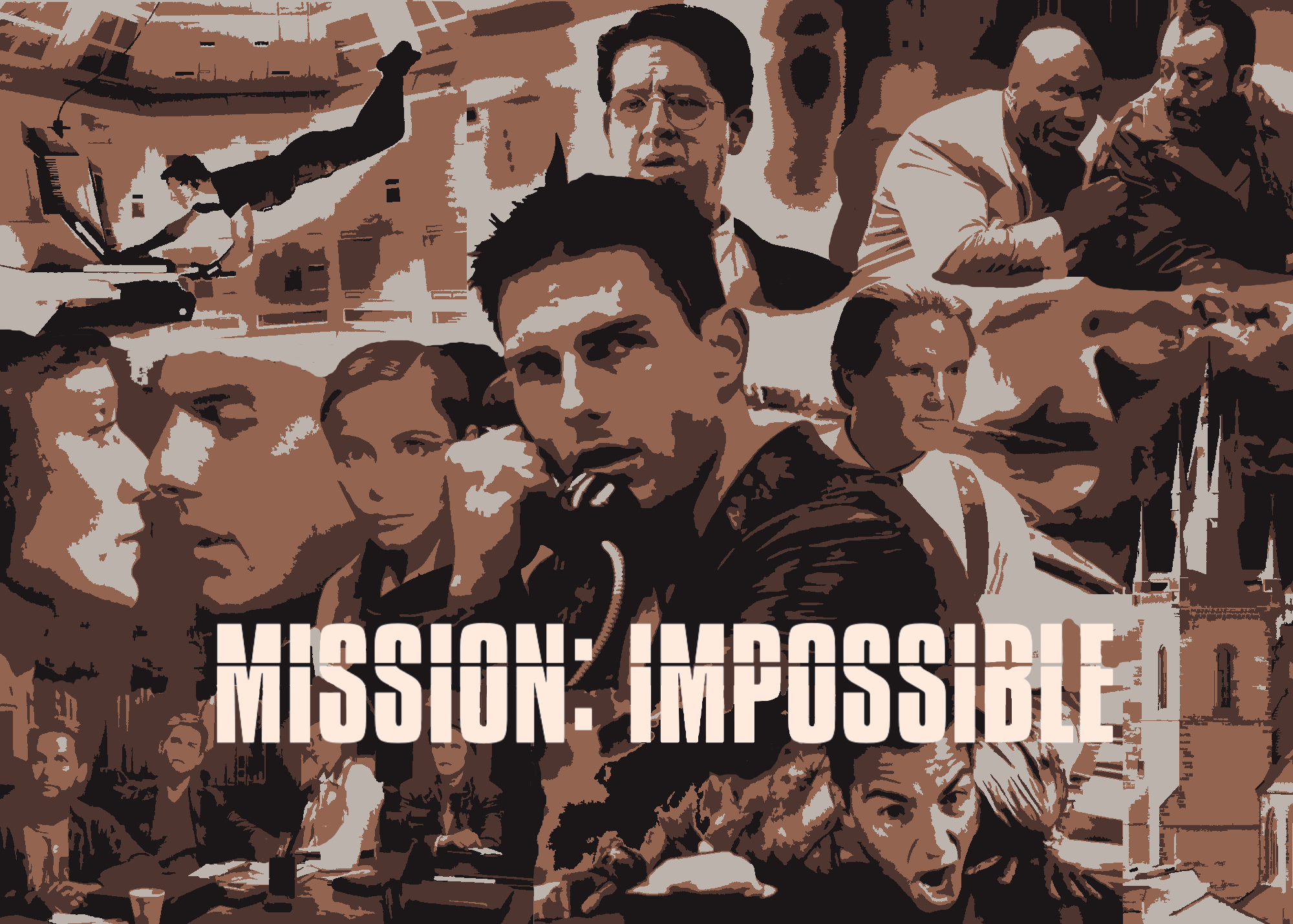
7. Mission: Impossible (1996)
The first film is not timeless, and when it feels dated, it feels dated, and not in a fun way. This is largely due to Brian de Palma’s stilted style, making it always feel like there’s a genuinely great movie aching to burst free but trapped with no escape by a director who can only muster good. Make no mistake: it is good, and the vault theft and the opening mission failure in Prague remain among the franchise’s most thrilling sequences. It’s arguably the one film where Ethan Hunt actually feels like a spy in a spy movie, and there’s a definitive noir aura that permeates throughout much of the proceedings.
Do we care for Jon Voight as Jim Phelps, or ever truly believe that his wife Claire isn’t up to no good? No. Do we wish it’d had the foresight to utilize a few more set pieces? Yes. But all in all, it’s a solid kick-off and a good spy flick in its own right.
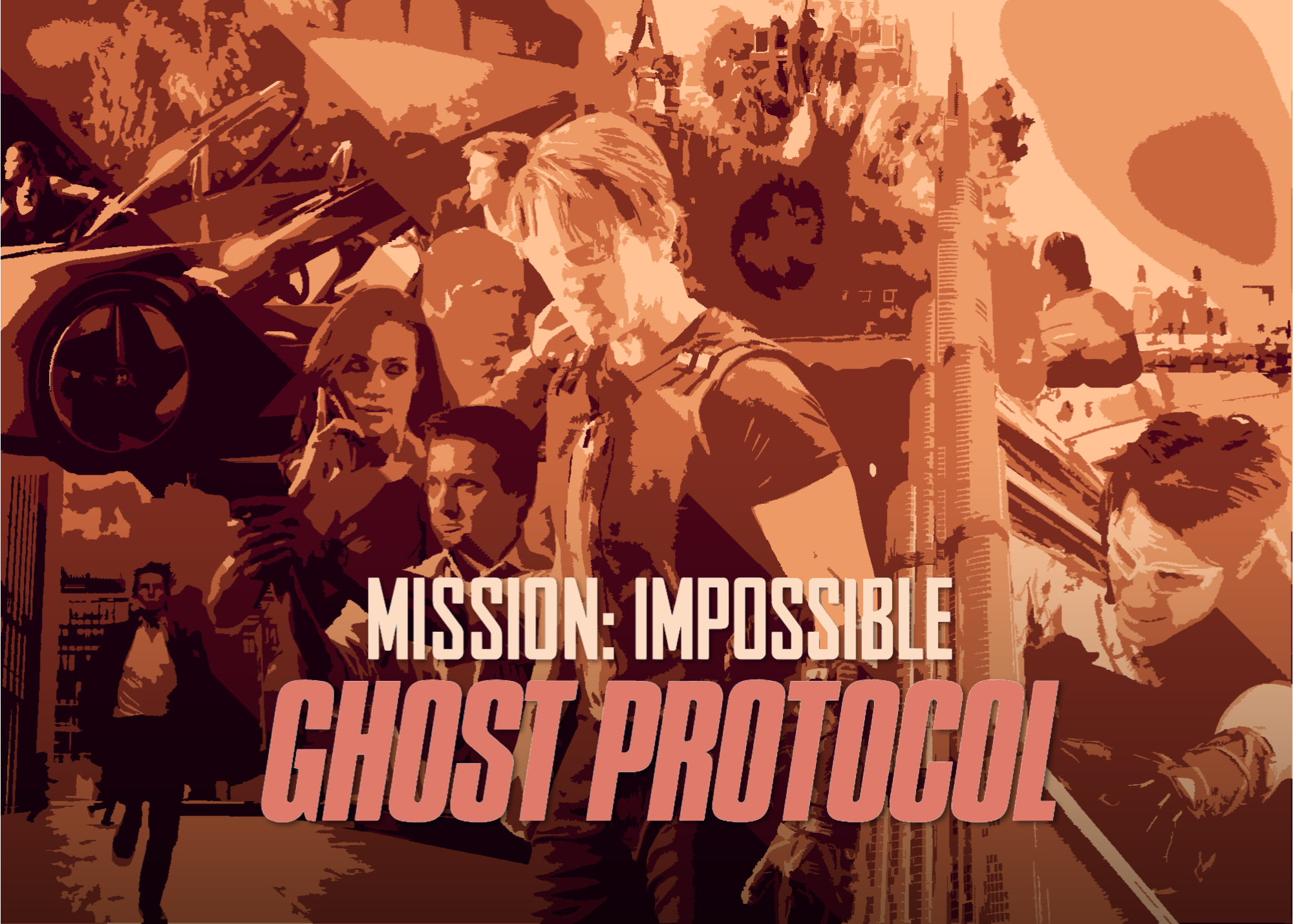
6. Mission: Impossible - Ghost Protocol (2011)
Ah, yes, where it all began. Well, where the franchise’s current status as Hollywood’s premier action franchise began. It’s the start of the “What if we did that thing no one should ever do?” phase, where everything went from a Tom Cruise vehicle with a well-known IP attached to the poster to a series that cared about pushing the envelope and delivering knockout theater experiences. The result? Eh.
It’s certainly not bad, but Ghost Protocol leans heavily on two sequences: the Kremlin bombing and the Burj Khalifa climb. The former is a jaw-dropper, but not one that feels particularly earned in a movie that generally struggles to feel as gutsy or relentless as subsequent entries. The latter is classic edge-of-your-seat filmmaking, but it isn’t enough to make a great movie.
In a ranking of M:I movies, you have to nitpick. The first man through the wall always gets bloody, and Ghost Protocol, while having definite entertainment value, is largely an exercise in growing pains. It doesn’t feel like a movie waiting to be over, but it does feel like it has untapped potential that could’ve been fulfilled if it’d been the sixth movie and not the fourth. In other words, outside of two moments, it isn’t memorable. Alas, someone had to kickstart the new era of M:I, so Ghost Protocol drew the proverbial short straw.
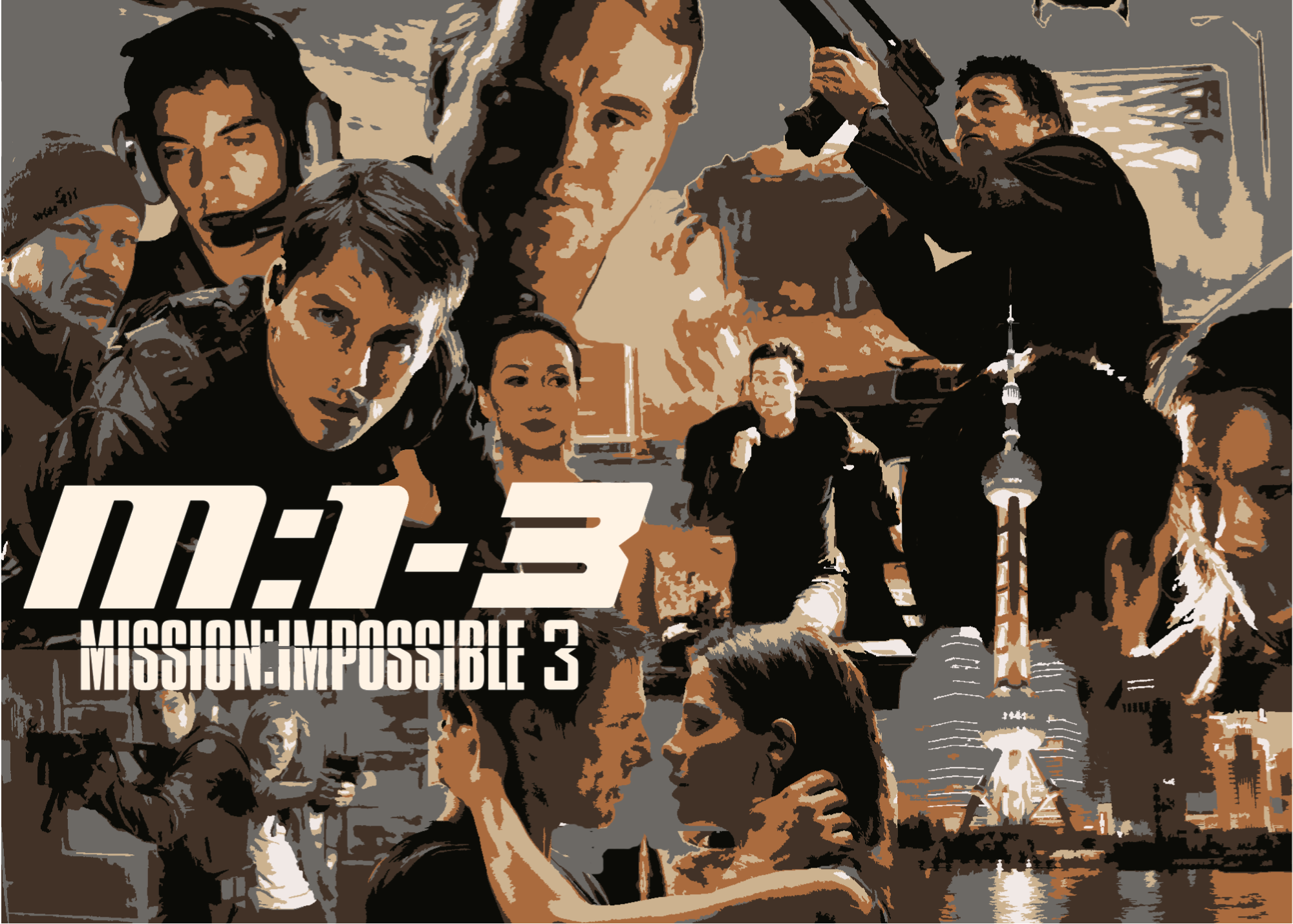
5. Mission: Impossible III (2006)
This is where the intangibles come into play. Technically, is M:I III better than Ghost Protocol, or arguably the first movie? No. It’s very choppy, its narrative, while not unclear, isn’t as cohesive or engaging as the two films directly below it. However, it’s simply more memorable. Yes, we love Michelle Monaghan showing up as Ethan’s fiancée, Julia, but there’s so much more to chew on. From the doomed rescue of young agent Lindsay Ferris to the freeway explosion to the epic jump in Shanghai to a relentless Julia pounding on Ethan’s chest to bring him back to life, III has some of the most indelible images in the franchise.
It has its low points, no question. Phillip Seymour Hoffman is unconvincing as Owen Davian, the most unimposing villain outside of Dougray Scott in II. Maggie Q goes to waste, and Jonathan Rhys Meyers’ Irishman Declan doesn’t offer much. But overall, III offers quite a bit more than people remember, and it sticks in the memory more than some of its more acclaimed successors.
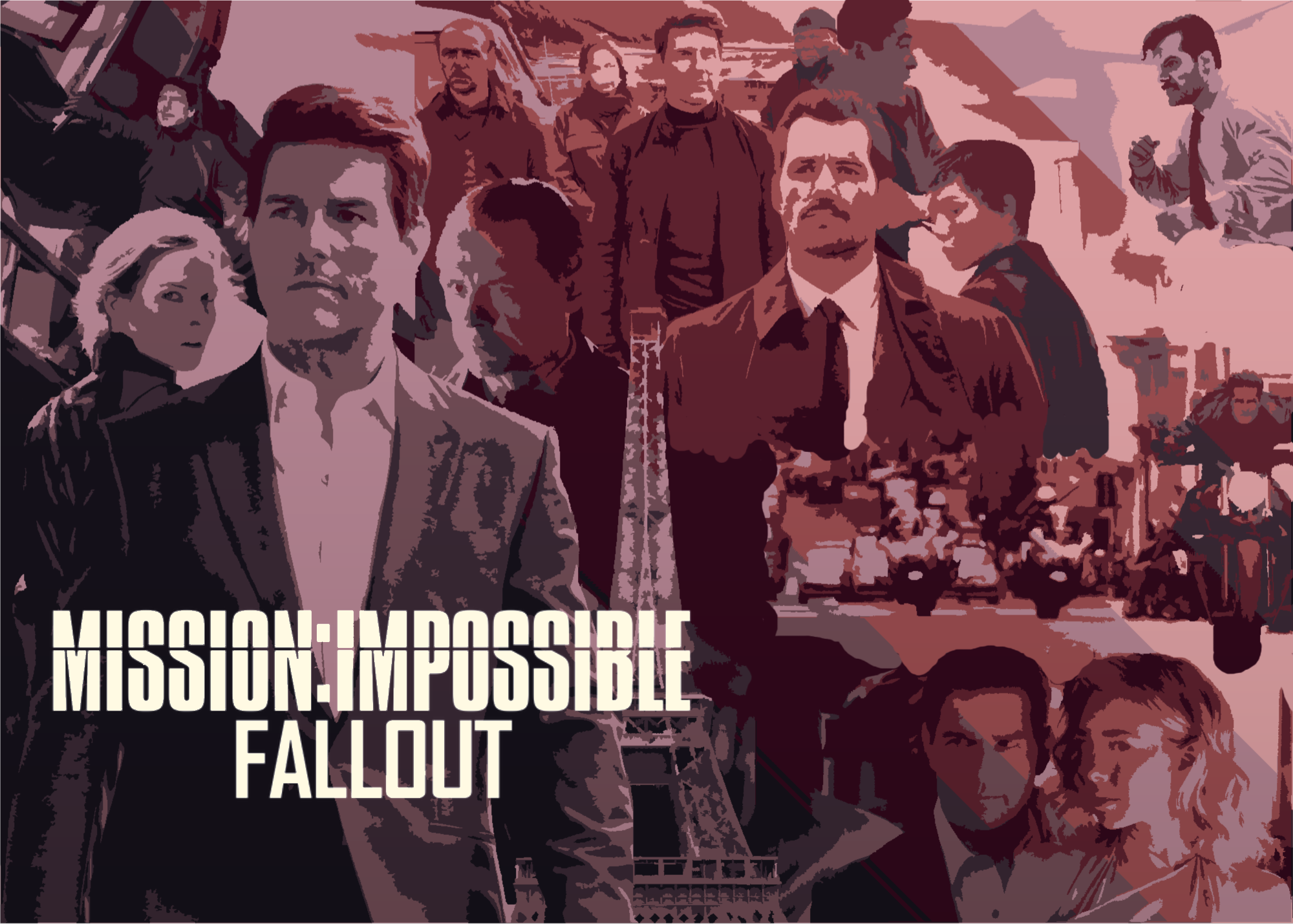
4. Mission: Impossible - Fallout (2018)
The most acclaimed of the franchise, Fallout suffers from being sandwiched between Rogue Nation, the sharpest film of the lot, and Dead Reckoning, the most bombastic. Theoretically, it’d be a perfect balance between the two, and in many ways it is, but it doesn’t wholly strike that balance until its final act, where the team travels to Kashmir (unexpectedly reuniting with Julia in the process) to dismantle a seemingly unstoppable nuclear bomb.
While the helicopter scenes have a distracting visual sheen, the sequence is classic M:I wizardry, and the final fight on the cliff is top-tier Mission: Impossible. It’s just a shame that, despite some highs (the chase through Paris, the bathroom fight), it’s not always as good as its part suggests, and there is something weightless about it. One can blame a dry second act, a wooden performance from Henry Cavill as the insultingly Billy Loomis-esque pseudo-villain or how Solomon Lane is just another even-tempered, stone-faced mastermind, but it’s best to simply acknowledge that while Fallout is a great action flick, it simply isn’t as amazing as people claim, and it doesn’t reach as high as other entries in the franchise.

3. Mission: Impossible - Rogue Nation (2015)
Rogue Nation feels like it should be more than it is, as though it’s building to something it never wholly achieves. It’s intriguing, but not enthralling. It’s entertaining, but not captivating. It’s engaging, but not absorbing. Ultimately, it doesn’t permeate your consciousness the way Final Reckoning does with an endless barrage of action-packed thrills or arrest your attention with a distinct style like the original, so sentiments stem from that feeling of nearing perfection without quite attaining it. It’s very much a jack of all trades and a master of none (and somewhat of a cut-and-paste job of its predecessor, Ghost Protocol), but while that may sound like an underhanded compliment for a person, for a movie, it’s genuine.
The opening, where Ethan seems easily disarmed during a debriefing, is one of the series’ finest and lays the foundation for the power of the Syndicate. Rebecca Ferguson’s Ilsa never truly got a chance, but the franchise was overdue for a solid female character. The entire opera sequence is fantastically choreographed and timed, and by the time Benji is sitting across from Ethan with a bomb strapped to his chest, we’ve long been sold. In between is the franchise’s first attempt at building an overarching narrative, and it executes all of its Syndicate threads well enough to reignite the spy intrigue absent since the first movie nearly 20 years prior. It could’ve been the best of its kind, and there’s some frustration that it didn’t fulfill that potential, but it's still very good.
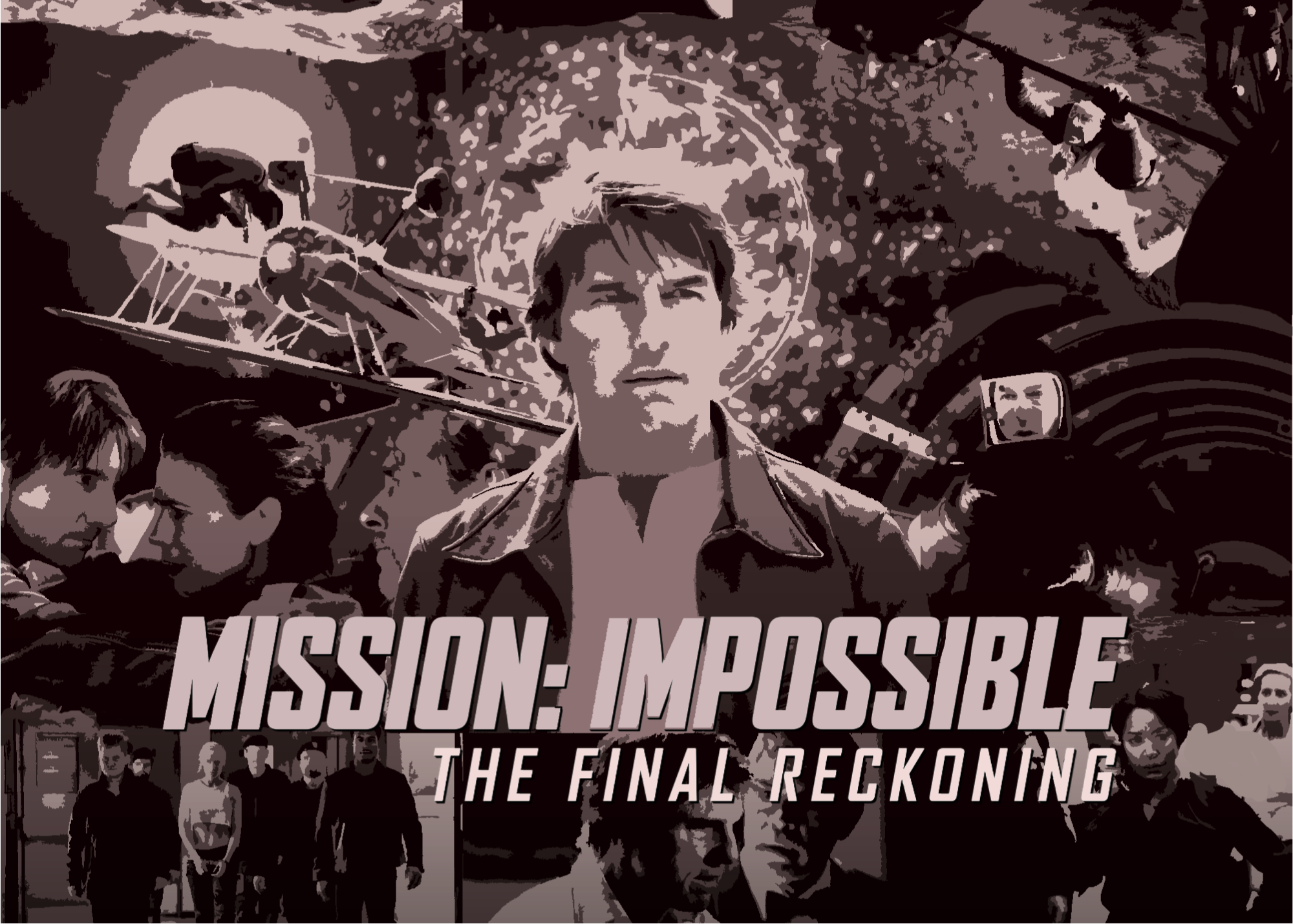
2. Mission: Impossible - The Final Reckoning (2025)
All criticism is objectively subjective, even the most measured. Ultimately, how we evaluate a movie is based largely on what we value. Thus, the final installment cannot be defended for its numerous character inconsistencies, plot holes, or overlong sequences. We can certainly say that those who decry that The Entity ultimately becomes a typical “destroy the world” villain with unclear mechanisms behind its apocalyptic ideals demand more than any movie can reasonably deliver, but we can’t say outright that the material couldn’t have been a bit more original in execution.
However, for as stunningly as the franchise has managed to enrapture audiences over its run, there truly has been no theater experience comparable to Final Reckoning. Even in its uneven, lore-laden, flashback-heavy, exposition-loving opening act, it is one of the most tense, pulse-pounding cinematic excursions one can have, perhaps the most. When Ethan and his team lay down a typically rinky-dink plan to upend The Entity’s master plan and save the world, the movie is absolute gangbusters. The St. Matthew Island fight? The Sevastopol sequence? The bi-plane climax (though that goes on too long). It keeps you on the edge of your seat with goosebumps all over your body. You’ll sweat like a pig, wondering how, even though you know they will, they’ll manage to get out of the literal end of the world. The stakes always feel insanely high and the circumstances genuinely dire despite a plot that’s been done to death. The pay-off? The actual blink of an eye, edited to perfection by Eddie Hamilton.
Sure, it’s imperfect, there’s no denying that, but what this writer goes to these movies for, he got in spades and with such joyless abandon that it leaves an impression unlike any other M:I movie.
P.S. Best score in the franchise, hands down.
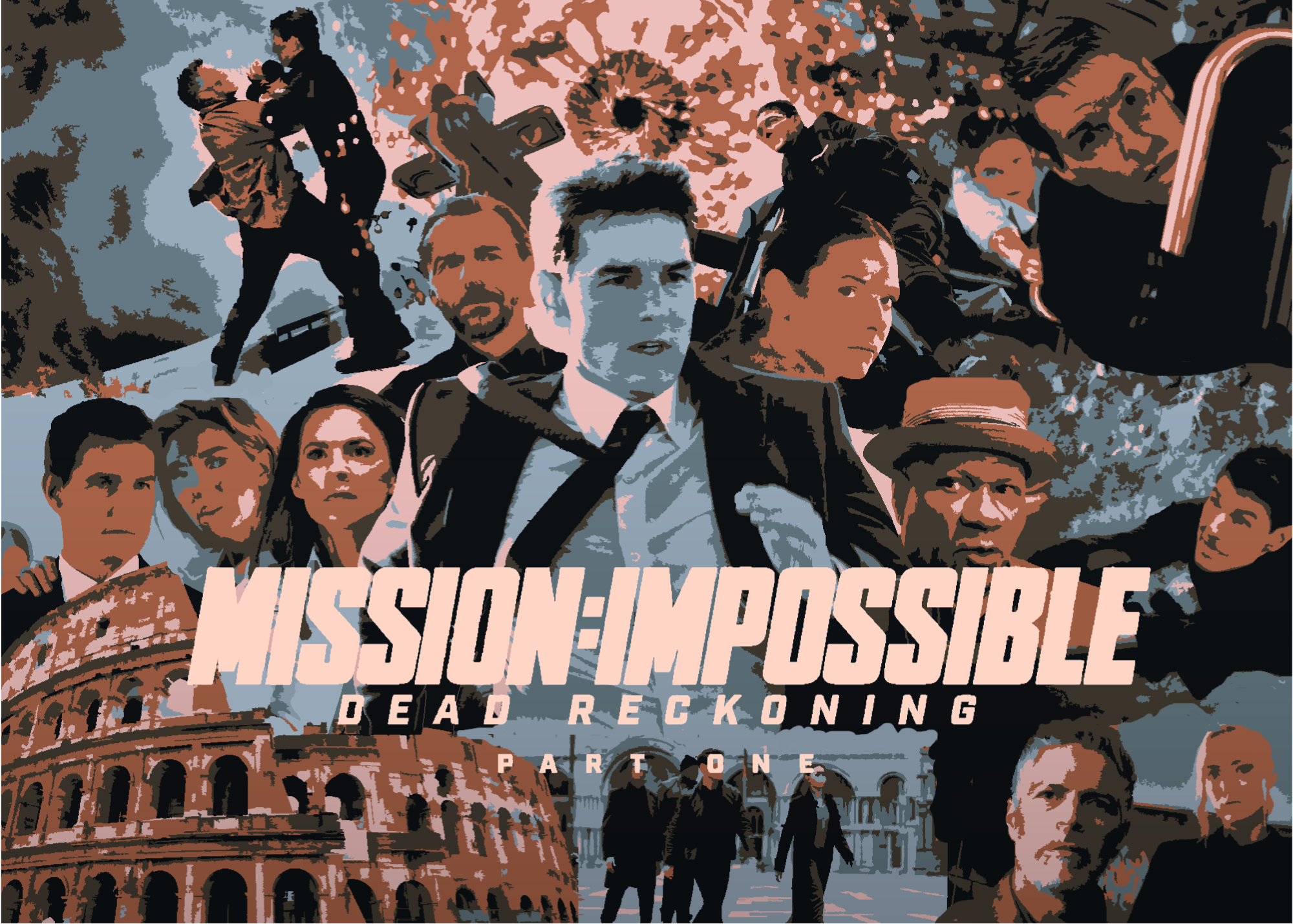
1. Mission: Impossible - Dead Reckoning (2023)
Following the overhyped Fallout, the franchise could’ve released the action version of Citizen Kane and fans would’ve felt it was a letdown. Admittedly, this is where the franchise becomes a bit bloated and more fond of itself than anything should ever be, but M:I is good enough to get away with it.
How much you like Dead Reckoning is going to be dependent on many things. If you feel that the series never gave the Ilsa character much to do, and thus Rebecca Ferguson’s talents were mostly wasted, you won’t begrudge Agent Faust getting jettisoned in favor of a generally more engaging Grace, a pickpocket who gets roped into the IMF.
If you’re sick of AI being the new hotness in movies trying to seem prescient and profound, you'll feel like The Entity, the rogue AI seeking to do… something, is a dime a dozen villain in a franchise unfit to bear that sort of thematic burden.
If you dislike franchise’s stuffing its final films with new characters instead of properly honoring the ones we’ve come to know and love, you’ll likely loathe the addition of Gabriel as a secondary villain (especially retroactively, since his relation to Ethan doesn’t get fleshed out in The Final Reckoning), Paris as the turncoat who ultimately becomes humanized by Ethan’s noble sparing of her life, and the aforementioned Grace.
Well, how does this particular individual feel about these things? In Grace v. Ilsa, support goes to the former; in AI v. literally anything else, considering the disturbing things people are using AI to do nowadays, victory to the former once again. In new characters vs. old standbys, the newbies are so engaging and well-acted that they fit the series like a glove, so all’s fair.
Point is, if you’re content with the things Dead Reckoning does that could easily divide a fanbase, you’re left with the most action-packed installment to that point. It’s well-paced, cut to perfection, and the overarching narrative for the final two films is laid down with entertaining precision, setting up the Sevastopol, the key, and ultimately justifying the inclusion of the always welcome White Widow. It’s a rollercoaster ride that, while a bit hand-holdy, never lets its foot off the gas, upping the ante for the franchise (seriously, you did see Cruise fly a motorcycle off a cliff and base jump into a moving train, right?) and masterfully setting the stage for a thrilling conclusion.
The End.
This article will self-destruct in five seconds.





.jpeg)









.png)


.png)
Latest Entries